UI/UX
RESEARCH
PROTOTYPING
VISUAL IDENTITY
MOTION GRAPHICS
University of Arizona x Parsons : AI Startup Design Hackathon
3rd Place
Role: Designer
Project Team:
Riya Shrestha
Claire Lynch
Ryan Kim
Duncan Yuen
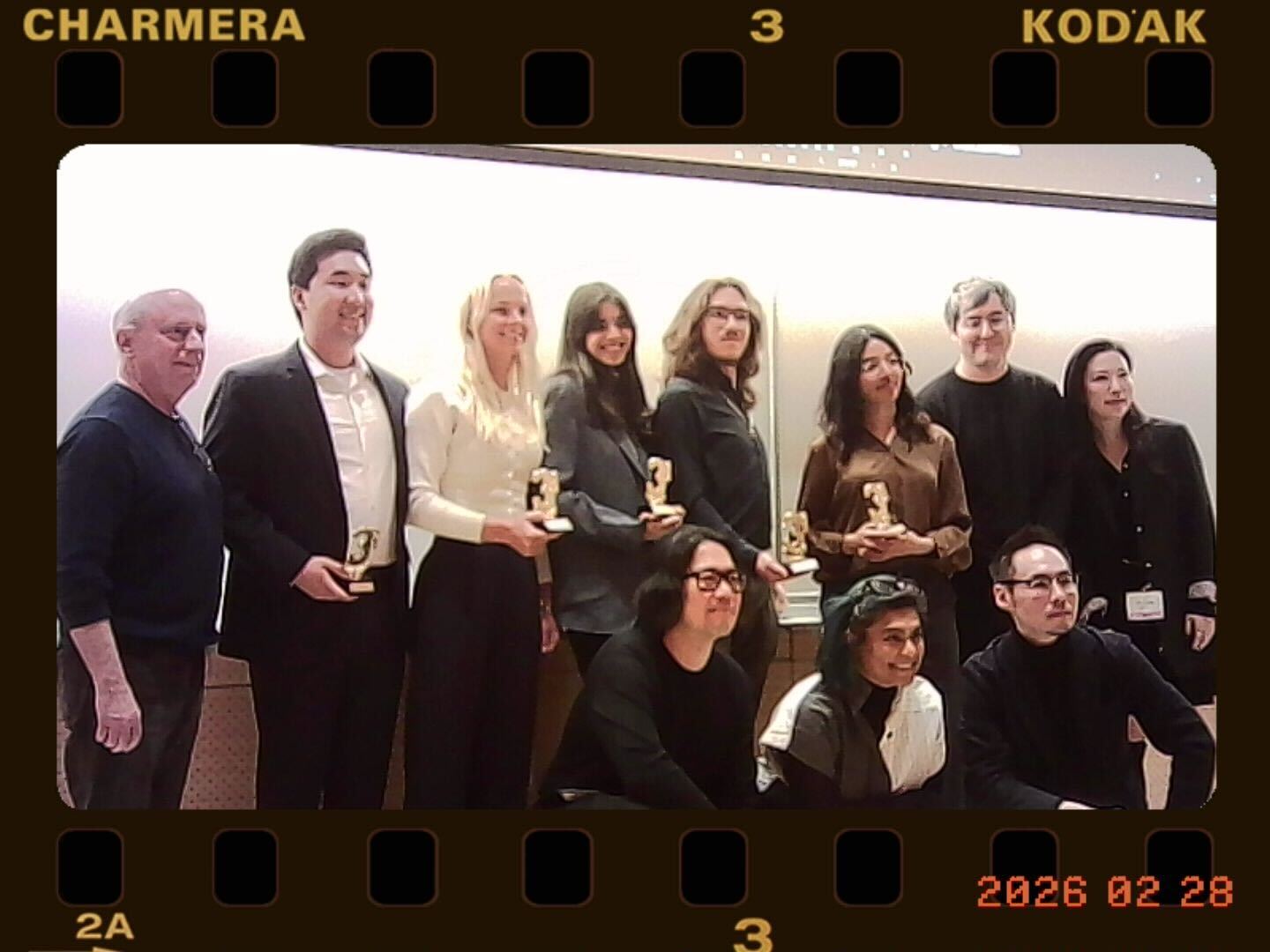
Roam was developed as part of a collaborative hackathon between the University of Arizona's W.A. Franke Honors College and Parsons School of Design on February 27–28, 2026, where we were tasked to create meaningful, creative, AI-first solution with real-world impact. Our team came in third place, judged by Mina Seetharaman from IDEO, Han-Shen Chen from Microsoft and Rudi Anggono from Snap Inc.
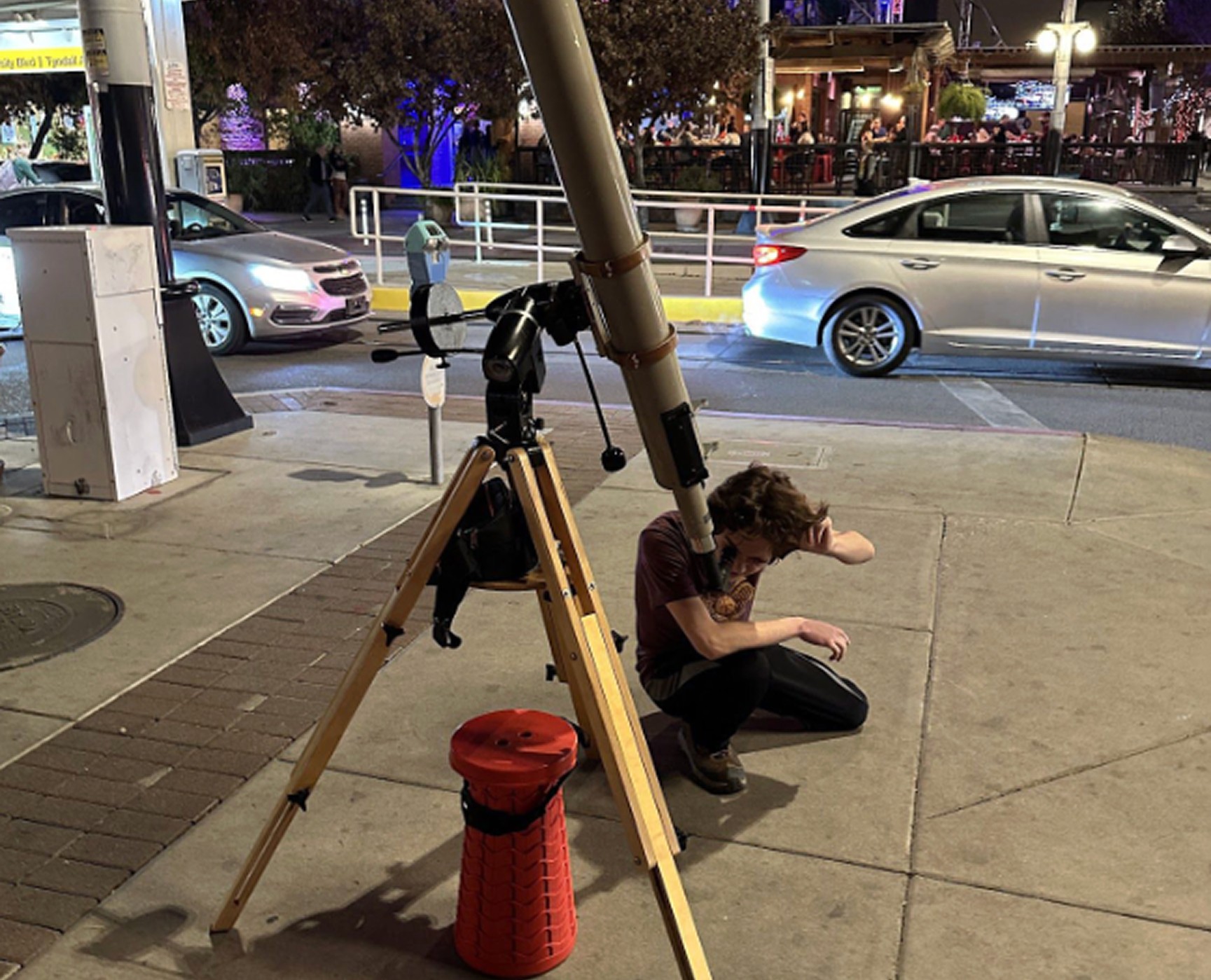
We were inspired by a chance encounter between two of our team members, one who had set up a telescope on the sidewalk to let strangers see Saturn, and another who happened to walk by. That moment left us asking: how could connections like this happen more often?
Problem Discovery
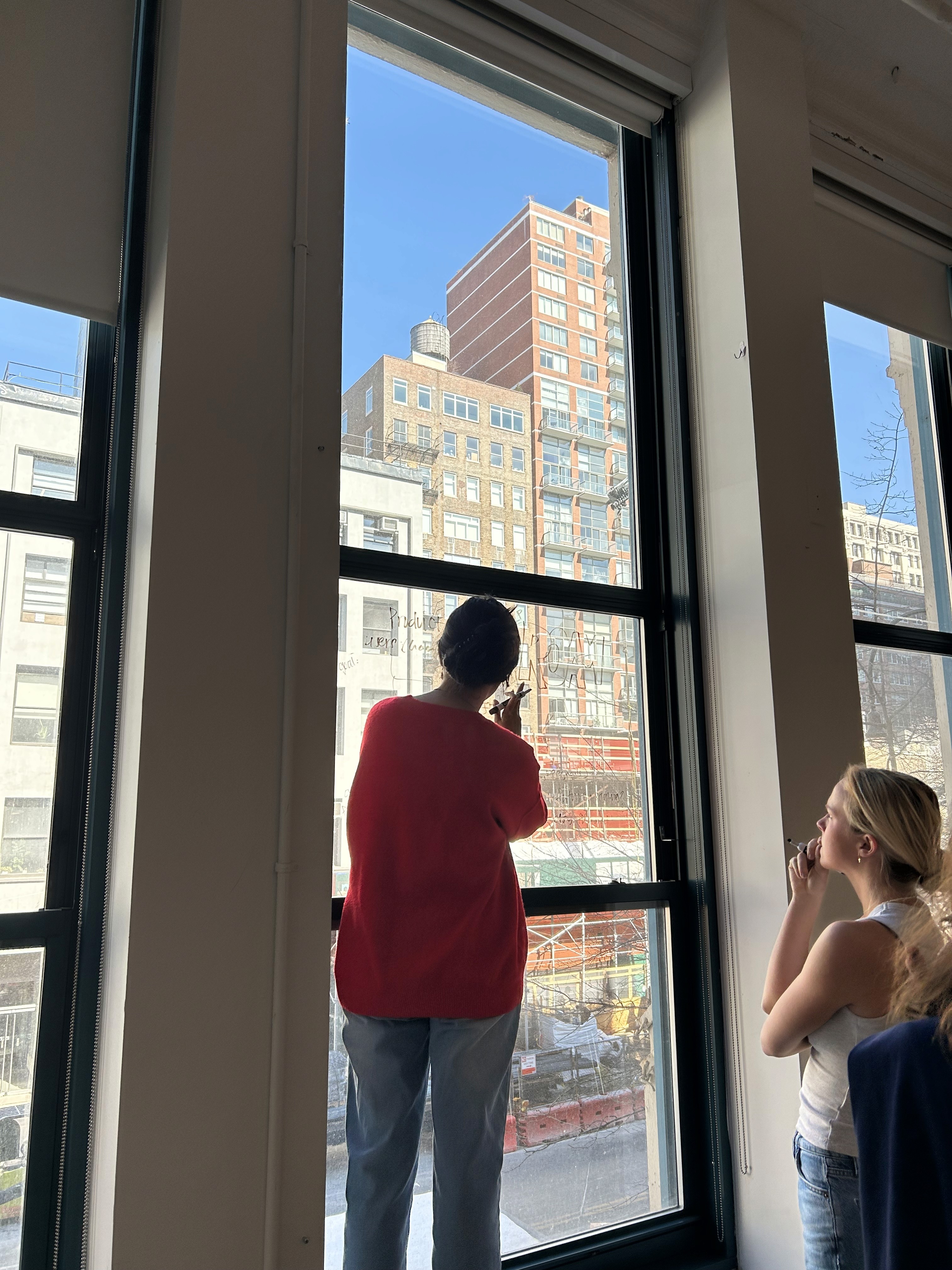
1 in 3 Americans report feeling lonely, the highest rate ever recorded, despite living in the most technically connected era in history. As a team of highly social college students, we felt this gap firsthand. Existing platforms like Instagram and Eventbrite are built for the past or the planned, leaving no infrastructure for spontaneous, in-the-moment experiences. Our research and lived experience pointed to a critical gap: there was no platform built for the right now.
The Solution
Our solution was Roam, a real-time, location-based social discovery platform that connects people through local experiences happening right now. We wanted to make it effortless for people to discover what's happening around them and share their own moments with a nearby audience, instantly.
Prototype
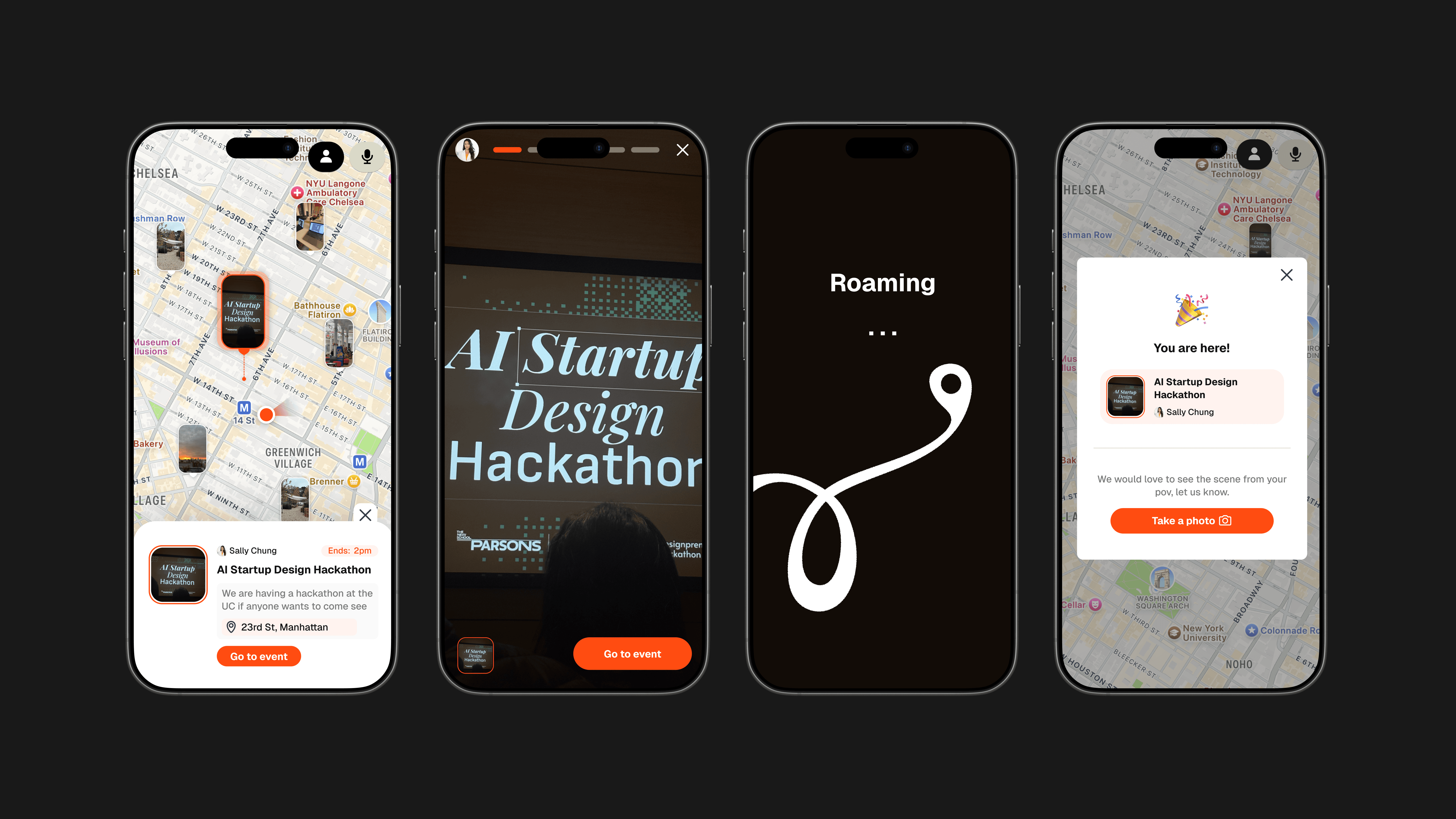
We developed Roam's two core interaction models: discovery and hosting. On the discovery side, users open a live map populated with photo pins showing real-time events nearby, with the ability to tap in, see candid photos, and join. On the hosting side, users can snap a photo, describe what they're doing, or use our AI mode to generate a post automatically, then go live instantly to everyone nearby.
Discovery

Hosting
AI Intergration
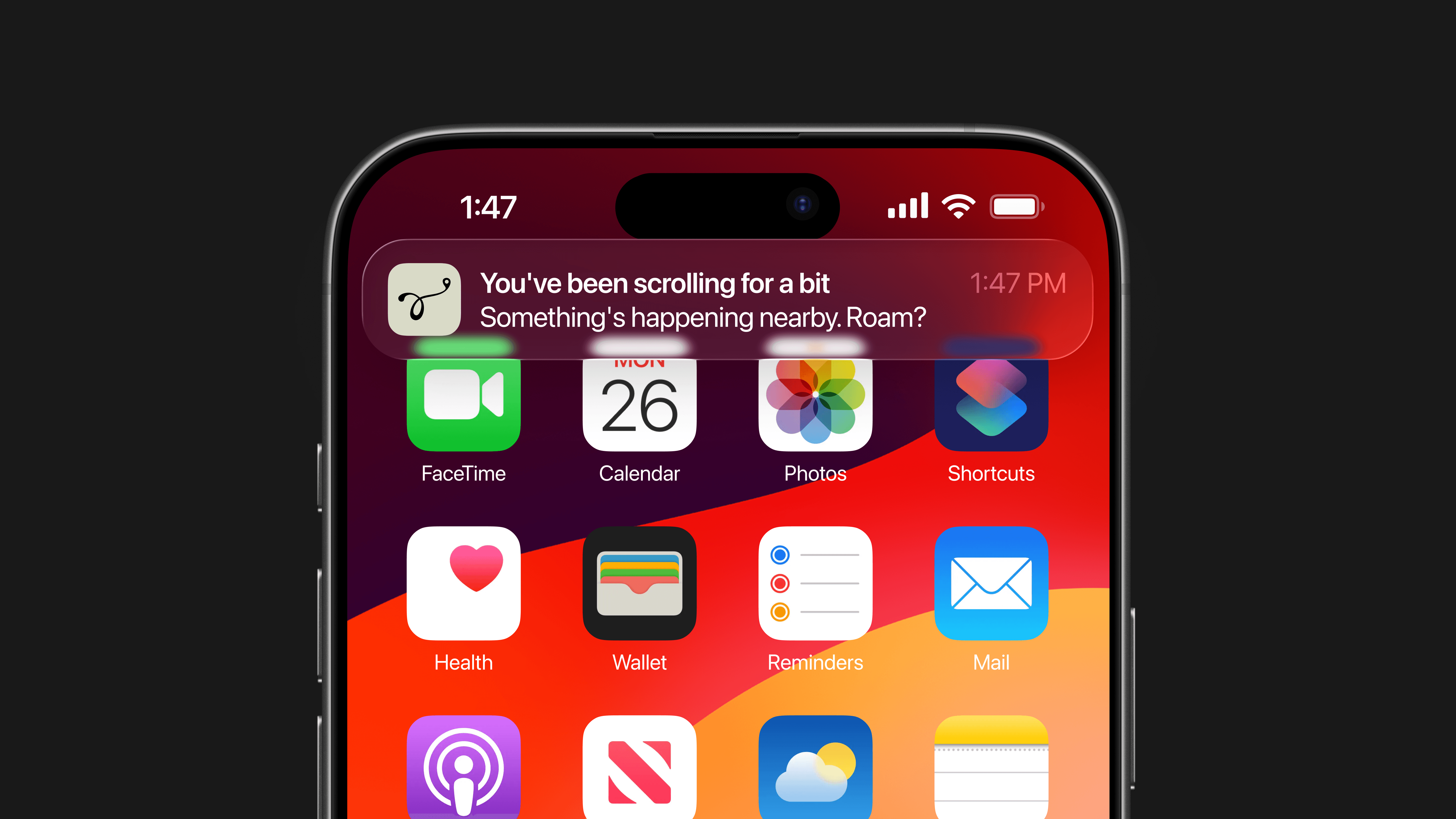
A key design decision was integrating AI meaningfully rather than superficially. Roam's AI surfaces personalized recommendations based on location, time, and past behavior, and proactively prompts users when it notices passive scrolling. AI also powers backend safety and moderation features.
The Business Model
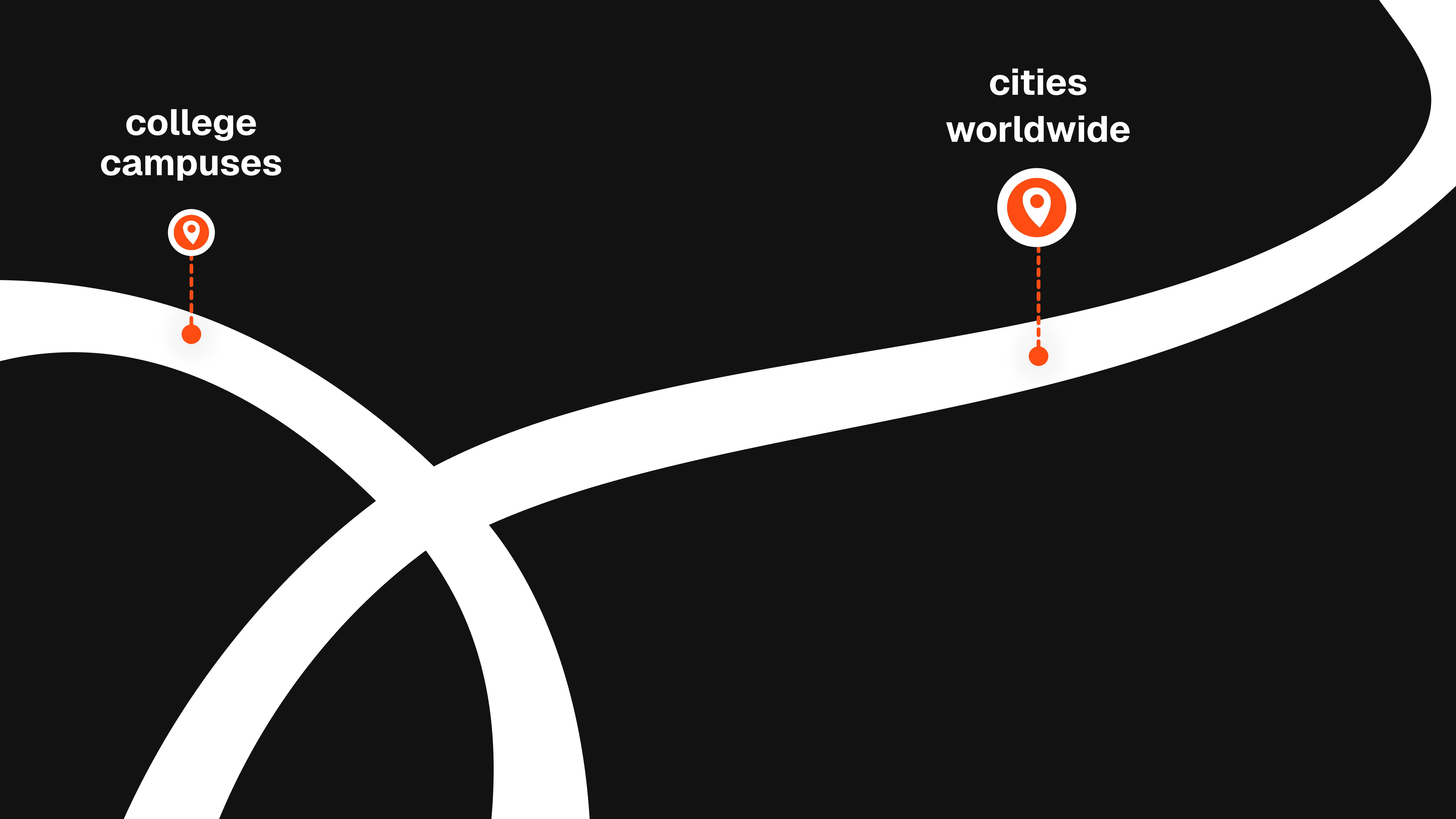
Our go-to-market strategy centers on college campuses as a natural first environment: high density, highly social, and already hungry for things to do. We seed initial events, grow through word of mouth, and focus on the conversion from attendee to host as the organic growth engine. From campuses, we scale to cities and beyond.
Outcomes
We wanted to design for genuine human behavior rather than optimized engagement. Most social platforms are built to keep you on the screen. Roam had to be compelling enough to get you there, and restrained enough to send you back into the world. Balancing that tension, both in product decisions and in communicating our vision, was the central design problem we kept returning to.
Near-term, it was the app. But we were building toward a future where technology would be invisible, where in 2030, AI would know you had 30 free minutes and there was something 100 feet away that you'd love, and it would tell you. Where wearables could overlay moments onto the world around you, where encounters wouldn't be left to chance.
The world is full of people with telescopes, we're just making sure you find them.